When we think about healthy green spaces, we usually notice what is above ground: trees, grass, wildflowers and wildlife. But beneath our feet is an equally important ecosystem that often goes unseen.
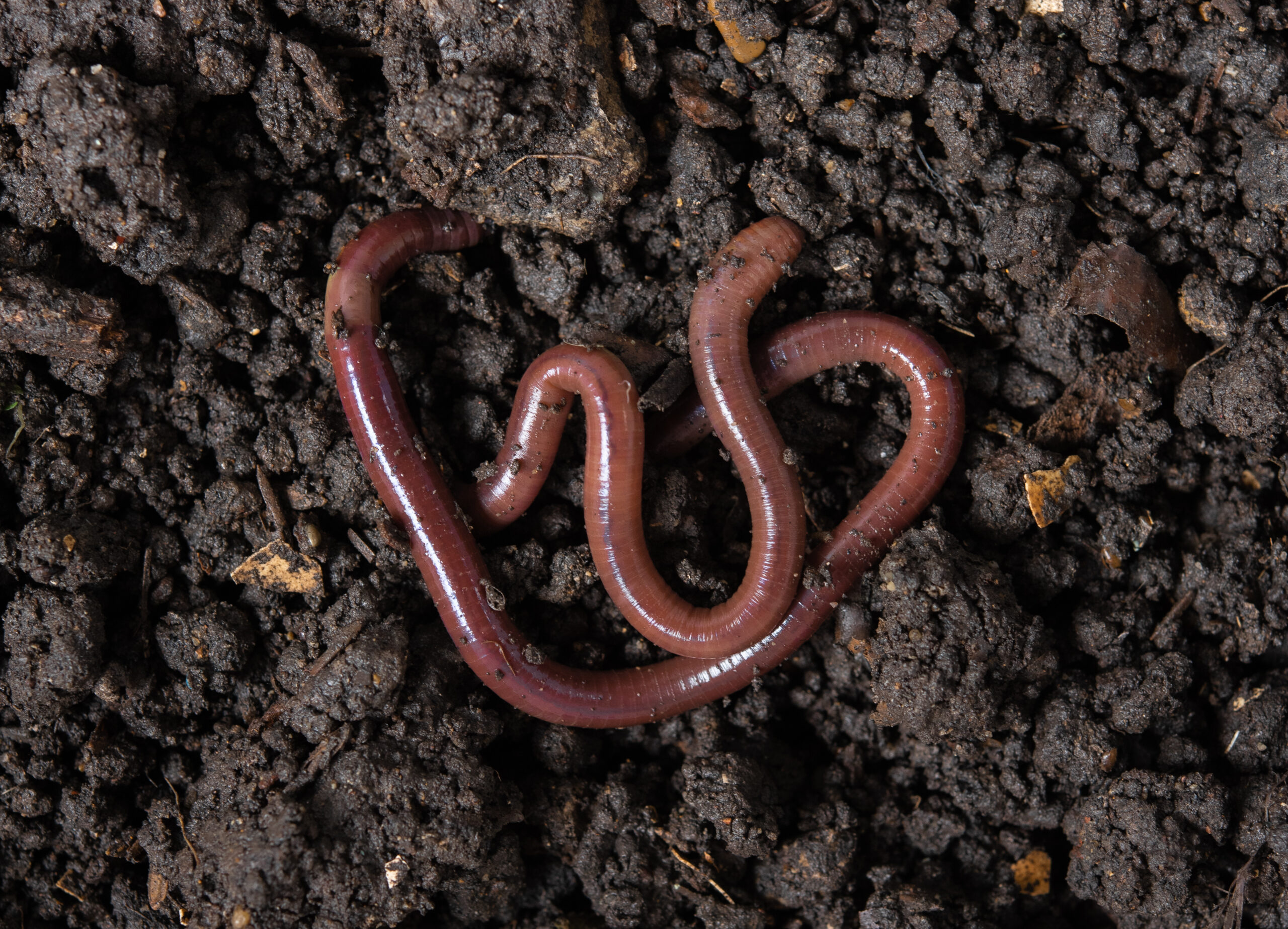
Soil is far more than just the material that plants grow in. It is a living habitat filled with roots, fungi, bacteria, earthworms and countless other organisms. A 2023 global review published in the Proceedings of the National Academy of Sciences estimated that soil is home to around 59% of the world’s species, highlighting just how biodiverse this hidden ecosystem can be.
At Trustgreen, understanding what happens below ground helps us make better decisions above it.
Why Does Healthy Soil Matter?
Soil organisms play an important role in keeping green spaces functioning.
Fungi, bacteria and small soil animals break down dead plant material, recycling nutrients back into the soil. Some fungi also form close partnerships with plant roots. These mycorrhizal fungi can help plants access nutrients and water, while receiving carbon compounds from the plant in return.
Healthy soil also contains tiny spaces between its particles, known as pores. These allow air and water to move through the ground, give roots space to develop and provide habitat for soil organisms.
Together, these processes support plant growth, nutrient cycling, water regulation, carbon storage and the resilience of the wider landscape.
There is no single appearance that defines healthy soil. The soil beneath a lawn will naturally differ from that beneath a hedge, meadow or wetland. Good land management therefore means understanding the needs of each habitat rather than treating every green space in the same way.
Protecting the Ground Beneath Us
One of the most common pressures on soil is compaction.
Repeated heavy pressure can squeeze soil particles closer together, reducing pore space and making it harder for air, water and roots to move through the ground. This is particularly relevant where vehicles are driven or parked on grass, or where the same planted areas are repeatedly disturbed.
Public green spaces are, of course, there to be enjoyed. Walking, playing and spending time outdoors are an important part of their purpose.
Small actions can still make a difference. Keeping vehicles on designated surfaces and using established paths around young trees and planted areas can help protect more sensitive soils.
How Can Fallen Leaves Benefit Soil?
A fallen leaf is not always waste.
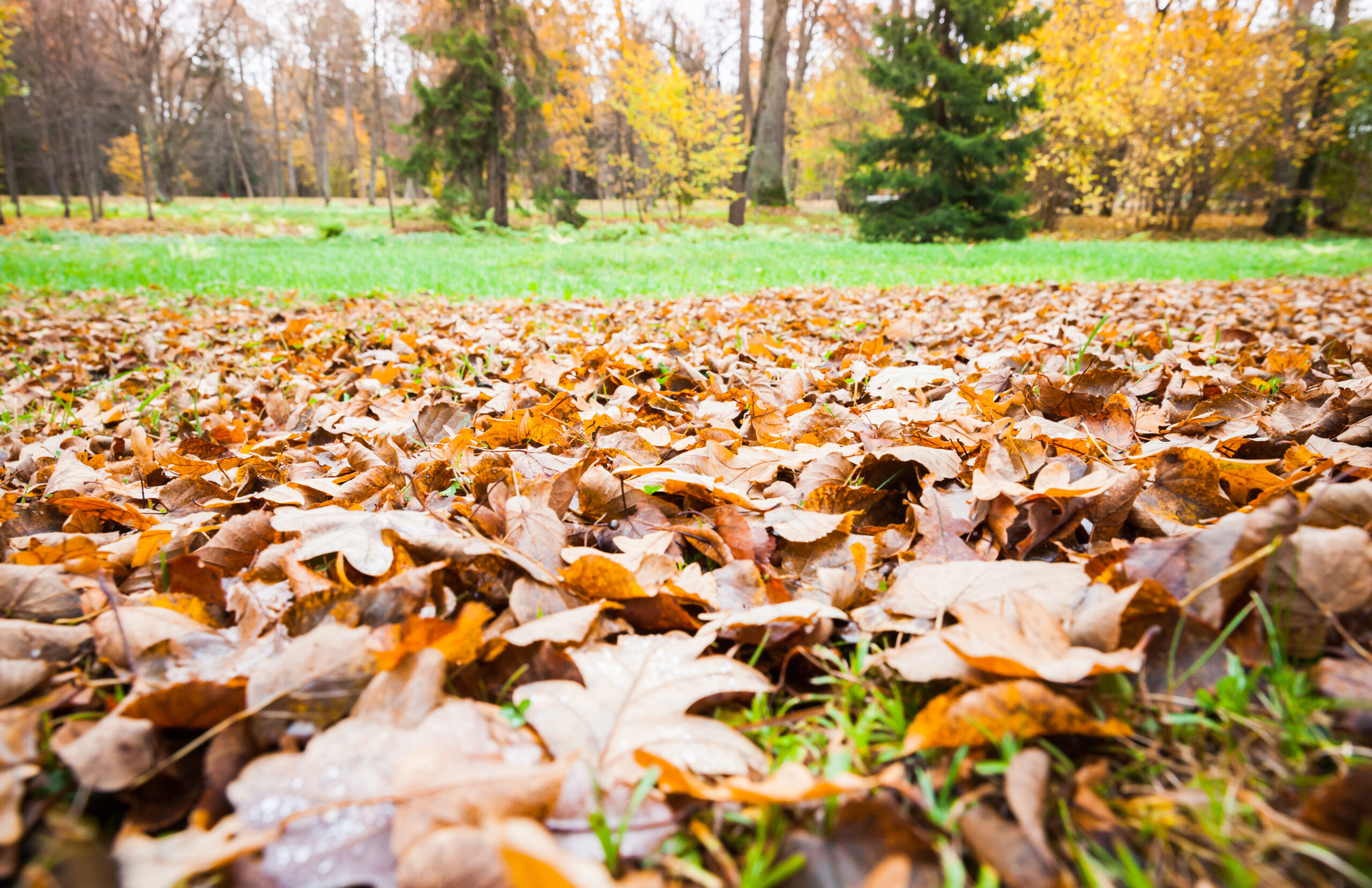
Beneath trees, hedges and shrubs, fallen leaves provide food and habitat for fungi, bacteria and other decomposers. As this material breaks down, nutrients and organic matter are gradually returned to the soil.
This means that an area which looks slightly less formal is not necessarily being neglected. In some locations, allowing natural material to remain is part of the ecological process.
There is, however, an important difference between natural leaf fall and garden waste being dumped onto communal land. Grass cuttings, hedge trimmings, unwanted plants and soil can introduce excess nutrients or unwanted species and interfere with planned habitat management.
More Nutrients Isn’t Always Better
it is easy to assume that fertiliser will improve any green space, but ecologically, more nutrients are not always beneficial.
In wildflower areas and species-rich grasslands, nutrient enrichment can favour fast-growing, competitive plants. Over time, these species can outcompete smaller or slower-growing plants, potentially reducing botanical diversity.
That is why communal green spaces should not necessarily be managed like domestic lawns. Different habitats have different requirements, and their management needs to reflect this.
Managing Green Spaces From the Ground Up
Residents can help by enjoying green spaces responsibly, avoiding vehicle access onto managed grass, keeping garden waste off communal land and leaving activities such as fertilising, spraying, digging and reseeding to the management team.
At Trustgreen, we manage green spaces with people, landscape and ecology in mind. By understanding the living systems beneath the surface, we can make informed management decisions that support healthier vegetation, stronger habitats and more resilient places for communities to enjoy.
So next time you walk through your local green space, look down as well as around.
Beneath every step is a complex living ecosystem quietly helping the landscape above it thrive.

Rhys King is a placement student from Harper Adams University, studying Environmental Management and Sustainability, and currently carries out the role of Assistant Estates Manager at Trustgreen. Having grown up surrounded by the beautiful outdoor spaces of Shropshire, Rhys has developed a strong passion for nature and environmental stewardship.

What Lives Beneath Our Feet? Why Soil Ecology Matters
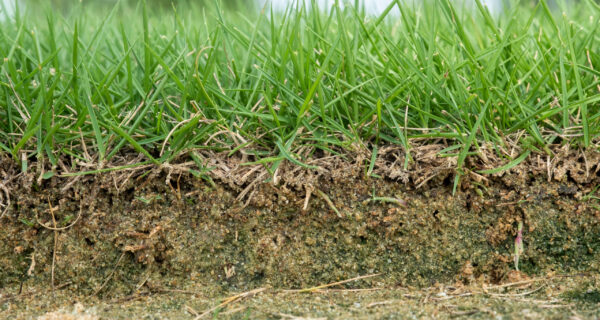
What happens beneath our feet plays a vital role in the health of our green spaces. Discover why healthy soil matters, how soil organisms support biodiversity and the small actions that can help protect the ecosystems beneath the surface.
How the Super El Niño Event Will Affect the UK
Learn all about this year’s super El Niño event and how to prepare for its effects on the UK.

Commonwealth Environment & CSR Awards 2026
We were lucky enough to walk away with not just one, but TWO awards at the Commonwealth Environment and CSR awards in Glasgow.
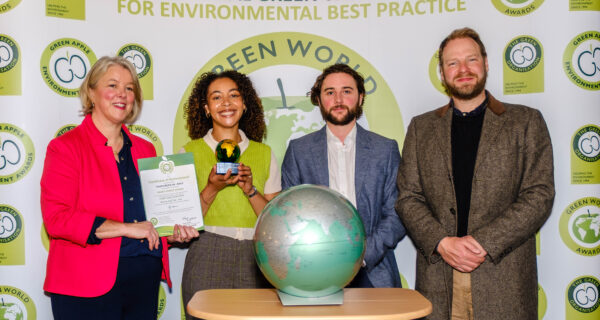
Trustgreen Double Their Win at The Green World Awards 2026!
Trustgreen has been awarded not one, but two Green World Awards by the Green Organisation at the 2026 Green World Awards.
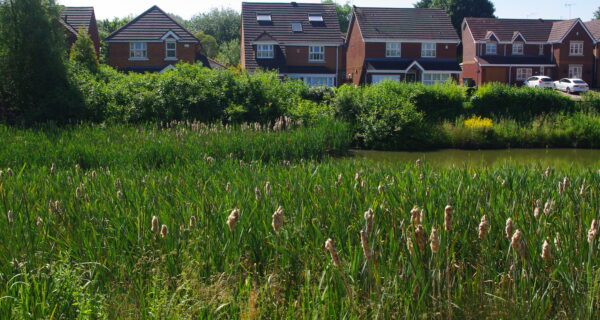
SuDS: A Sustainable Solution to Drainage
SuDS are an important feature on many of our sites, but what are they really for and how do they work? Kiera Hall discusses in our latest blog post.

Trustgreen are Now Members of the House Builders Federation (HBF)
Trustgreen are pleased to announce our ongoing collaboration as members of the HBF

Trustgreen Charity of the Year 2026
Trustgreen is excited to announce that we’ll be supporting Parkinson’s UK in 2026, who support every Parkinson’s journey, every step of the way.
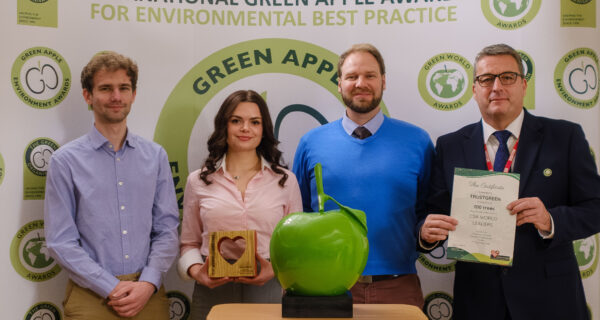
Trustgreen Gains Green Glory
Adding to our third consecutive CSR Excellence Award Win, Trustgreen have been announced as CSR World Leaders.

The Big Garden Birdwatch: what it is & why it’s important and how to get involved
Dominic explores why The Big Garden Birdwatch is important and how you can get involved.