What it is
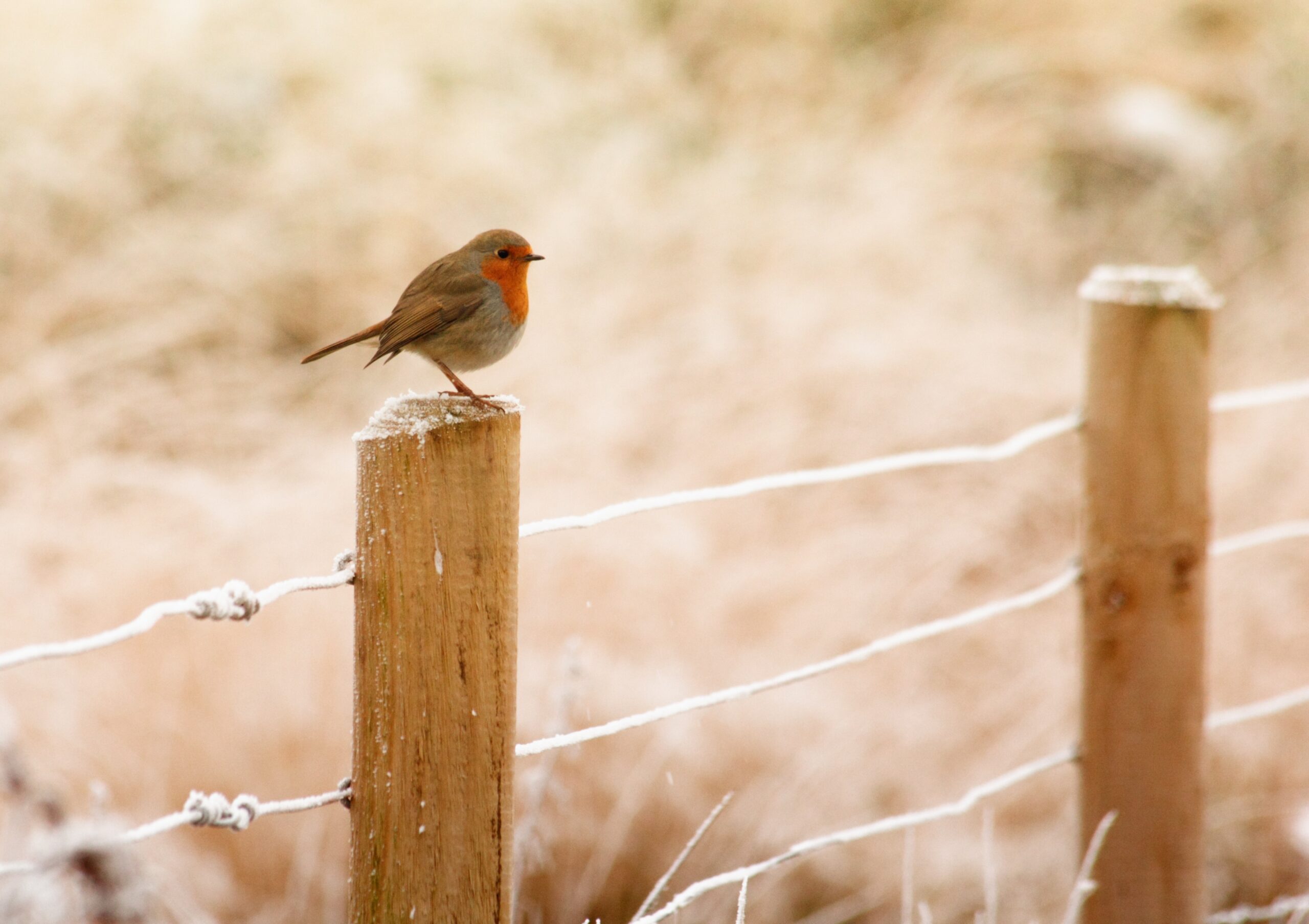
The big garden birdwatch is a citizen science event set up by the RSPB to determine changes in bird populations in the UK. It works by encouraging UK citizens with access gardens, local parks and other open spaces to gardens to record and observe the birds they see there.
How it works
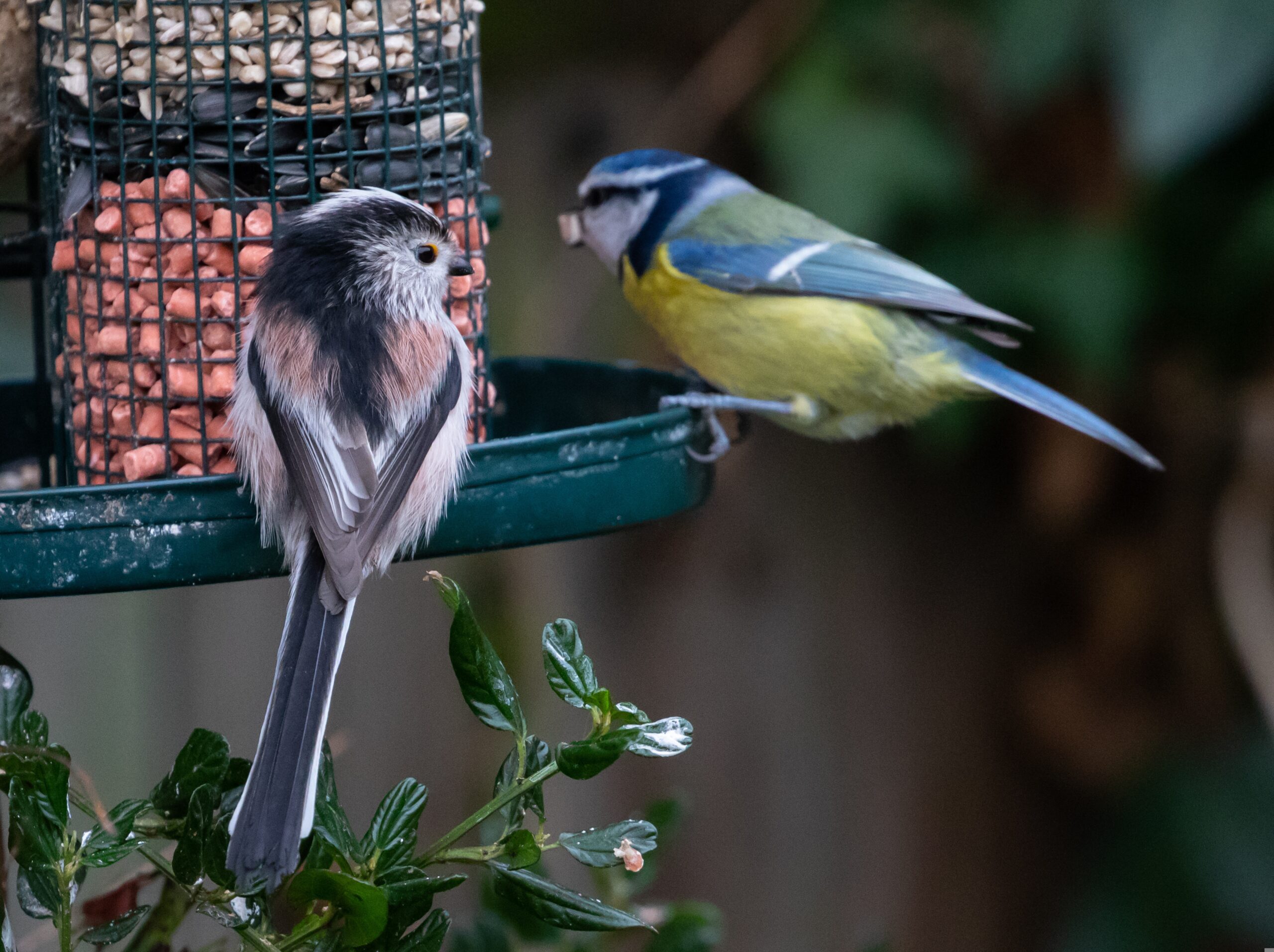
Participants are encouraged to go to their place of choice – either a garden, local park or other open space – and spend an hour recording all the species of birds they observe, and the number of each species they see. This data is then sent off to the RSPB, which is then compiled and analysed to determine the current year’s count of each bird species.
Identifying bird species
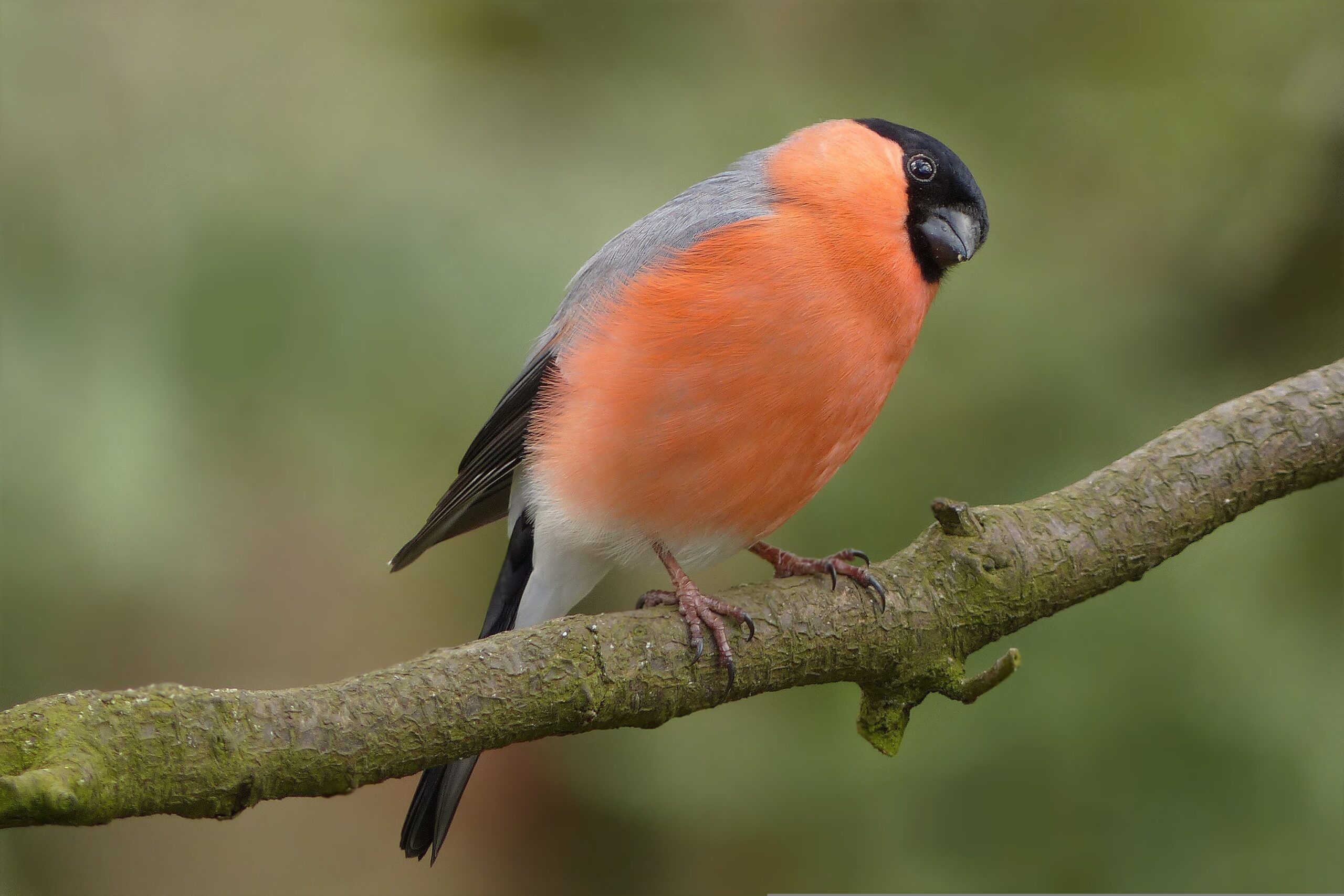
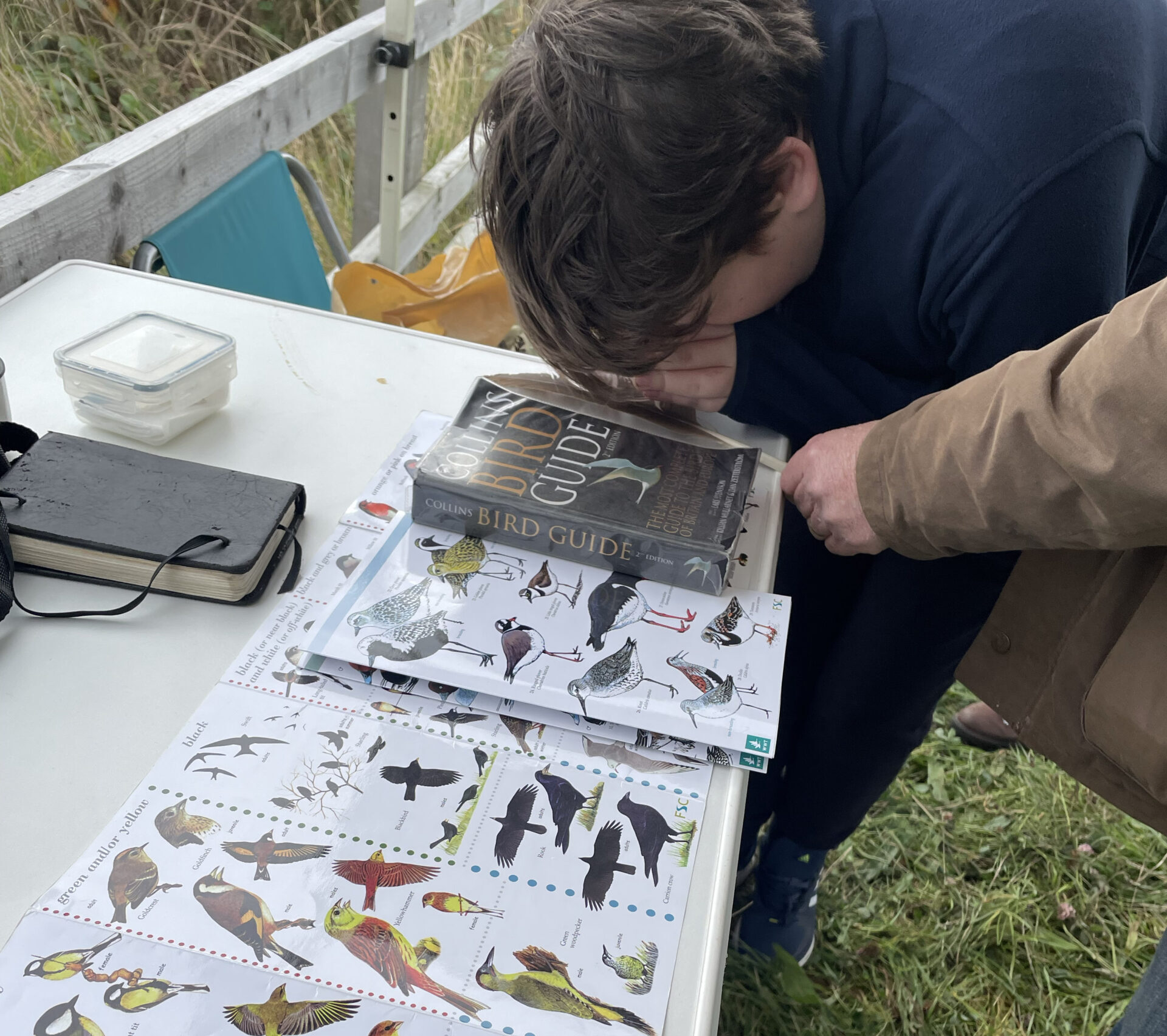
Identifying specific bird species can sometimes be tricky, as many species are closely related or may share similar traits. Species identification can be aided with the use of ID guides, which will typically contain pictures of bird species and their distinguishing features to compare to your sightings, e.g. silhouettes, particular plumage patterns and beak shapes. They may also contain progressive series of questions to identify birds to a species level; these may start as simple questions such as: ‘how large was the bird’, and will grow more specific the closer to species level you get.
Finding ID guides
ID guides can frequently be found in charity shops, book shops and libraries, and may also be found online in the form of websites and apps. A great example of this is the Merlin Bird ID app by Cornell University, which can also narrow down species based on the user’s location. This app also allows users to take recordings which use machine learning to identify any bird calls recorded to a species level. Unfortunately, this cannot determine the numbers of a species present, so this feature should ideally be used in conjunction with visual sightings for the data to be used for the Big Garden Birdwatch.
Download the Merlin Bird ID app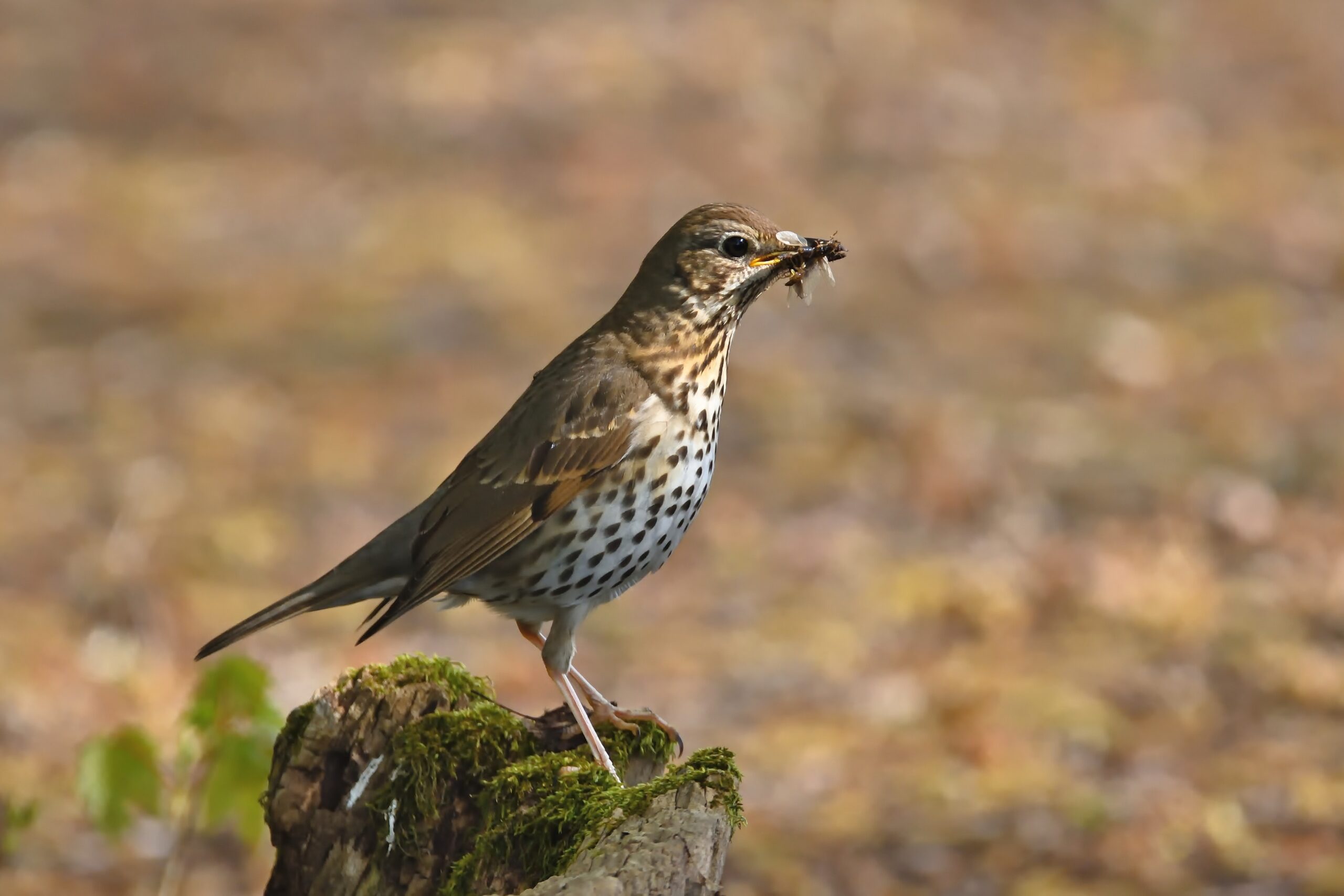
Why it’s important
Collecting data on the abundance of bird species helps scientists and conservationists determine population trends; that is whether species have increased, decreased or increased in number since previous years. This can help direct conservation efforts towards prioritising certain species.
The abundance of some species can also help signal the overall health of ecosystems in the UK because of their reliance on specific diets, habitats and conditions – these species are known as ‘indicator species’. Birds are particularly useful as indicator species because they’re highly visible, relatively easy to monitor, and respond quickly to environmental changes. For example:
- Song thrushes act as indicators of soil health and invertebrate populations, as they depend heavily on earthworms and snails for sustenance. Their decline can signal soil acidification, pesticide use, or habitat degradation.
- Swallows and house martins indicate the abundance of flying insects, and reflect broader changes in insect populations, which has cascading effects throughout food webs.
- Goldfinches respond to the availability of seeds and indicate the health of wild plant communities, while their increasing presence in gardens often reflects both supplementary feeding and changes in agricultural land management that affect wild seed sources.
Since many people can identify common garden birds, the Big Garden Birdwatch can collect large amounts data across the country, helping scientists determine the health of the environment with a large sample size. This mass amount of data can then be used to direct large-scale conservation efforts and environmental policy, whilst raising public awareness of the threats facing bird species across the UK.
How to get involved
The next Big Garden Birdwatch will take place from the 23rd – 25th of January 2026. After registering on the RSPB website, have your ID guide(s) ready and prepare accordingly to spend an hour of your time in your open space of choice, recording each species and tallying each individual bird you spot on the day you choose. Once you’re done, make sure to note down your location along with your data, then you can send the data to the RSPB online or via post. Trustgreen will be hosting community events to help and encourage our residents to take part (details to come).

Dominic is on a placement year at Trustgreen. He is currently studying BSc Zoology with Environmental Management at Harper Adams University, and this is his third year before going back to complete his final year in September 2026.