SuDS are an important feature on many of our sites, but what are they really for and how do they work?
Sustainable Drainage Systems (SuDS) are solutions to drainage issues that avoid traditional methods such as using pipes and sewers. Instead, SuDS aim to replicate natural processes to manage surface water levels. Although there are many different types of sustainable drainage systems, they all aim to slow the speed at which water enters watercourses or drainage infrastructure, so that systems are not inundated and therefore aren’t as likely to flood.
When rain falls onto man-made surfaces, such as concrete, the water runs off the surface because it is impermeable. This means the water moves quickly into nearby drains or water ways, often overwhelming the system due to the volume of water entering at once. When rain lands on a permeable surface, such as a heavily planted or grassy area, the water can infiltrate into the ground. The water then takes a much slower path as groundwater into our water ways, which helps to reduce pressure on drainage systems.
SuDS Management
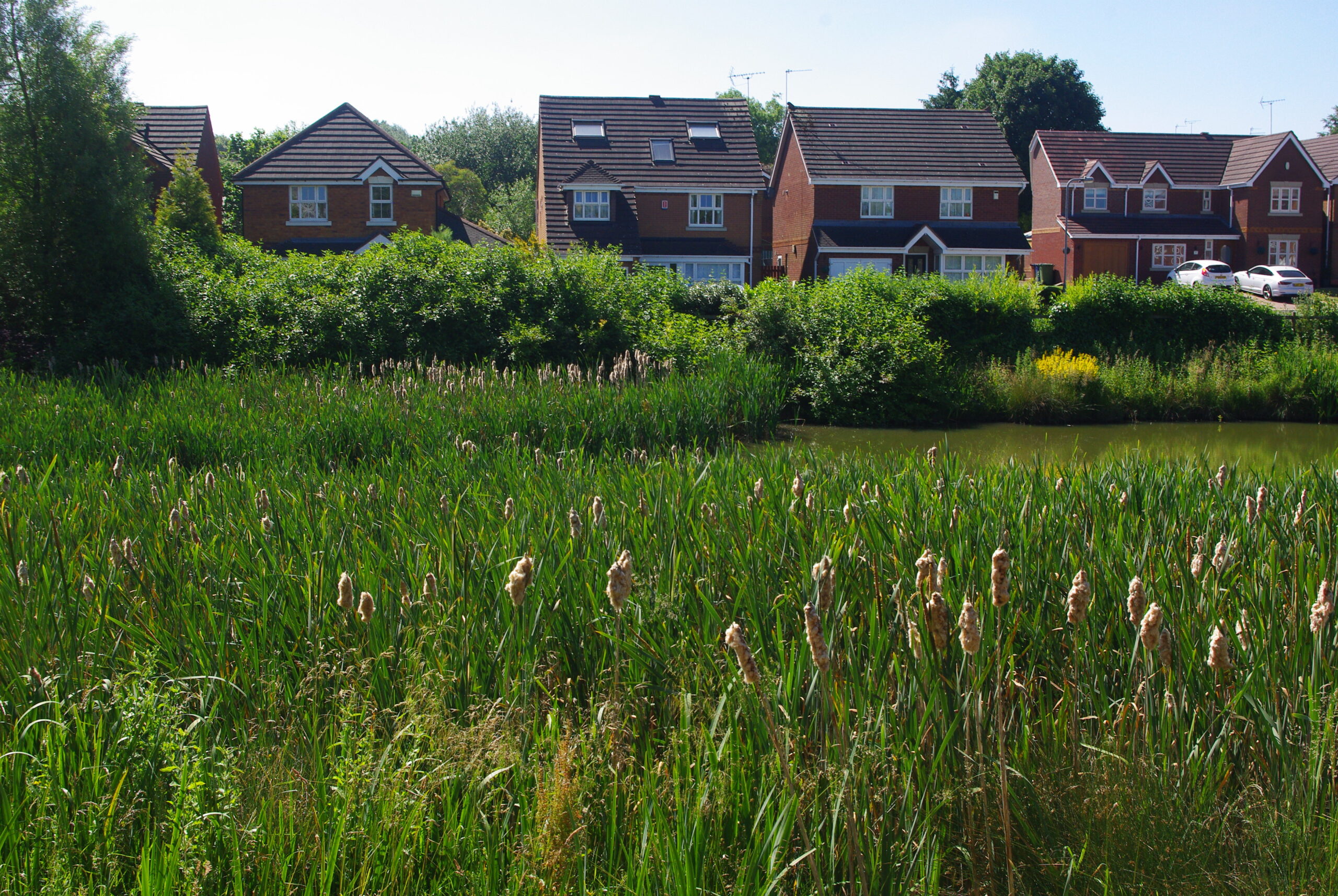
SuDS on our sites can look very different depending on where they are, how heavy the planting is and whether they hold water all year round or not. Some SuDS have Swales, which are long, ditch like features, and other sites may have a large SuDS basin which looks like a pond. Because every SuDS is different, it is important that we manage them accordingly.
For example, if a SuDS has headwalls (a wall around SuDS inlets/ outlets to protect from erosion), we ensure that these are clear and not obstructed by plants or litter. SuDS also need to be cut at least once, annually, to remove lots of the plant growth from within it. If the SuDS become too overgrown, it can prevent the movement of water.

How SuDS Support Wildlife
The habitat that the SuDS basins and swales create can attract a range of wildlife, such as water birds and frogs, which can have a positive impact on the biodiversity of the area. Once established, a SuDS can become a valuable local amenity. Another benefit of a SuDS is that they can sometimes improve water quality by trapping pollutants, so they don’t enter water courses further downstream. Overall, SuDS have many benefits and are an innovative way to deal with the increased risk of flooding that we have been seeing over the past few years.
Benefits of SuDS
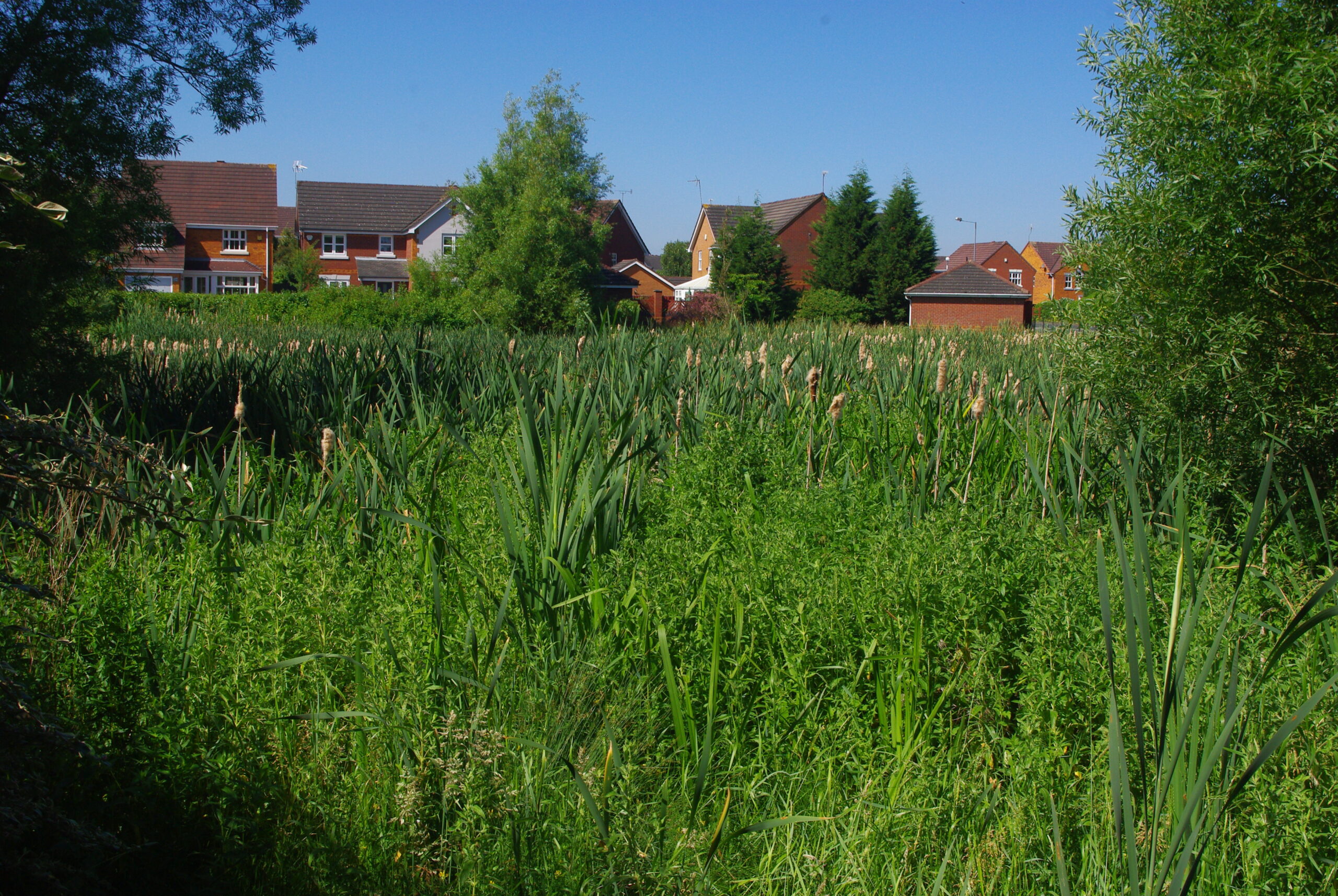
Not only do SuDS act as an effective drainage solution in urban environments, but they also provide other benefits. SuDS are a great example of ‘blue green infrastructure’, which refers to infrastructure that mimics the natural environment by combining blue (water) and green (plants, grassland etc) elements, often in an urban environment. They can have a positive impact, not just to provide its original purpose (in this case to reduce flooding risk), but to provide a space for people and nature to enjoy together. A SuDS pond can often be aesthetically pleasing, especially in the spring and summer, so can provide a nice place to walk around and watch the changing seasons.

If you have a SuDS on your site, they present a great opportunity to enjoy wildlife right on your doorstep. Maybe you could photograph your SuDS each month of the year and monitor its changes throughout the seasons. Or perhaps you could try to identify any birds you see utilising the SuDS – the Merlin Bird ID app is a great place to start for this one!
Kiera is on a placement year at Trustgreen. She is currently studying BSc Environmental Science at The University of Sheffield, and this is her third year before going back to complete her final year in September 2026.


Latest projects
From Resident Funded Schemes to Private Transfer, Stewardships and Advanced Works we work across all areas of sustainable open space management. We responsibly manage numerous sites across England and Wales, bringing our unique approach, environmental expertise and dedicated customer care to a diverse range of habitats, developments and communities.
View projects